Best cameras 2026: Reviewed and ranked by pros
We’ve rounded up the best models on the market, tried and tested by our experts.


Even though the best camera is always touted as ‘the one you have with you’, having a capable camera will go a long way in improving your images and making shooting more enjoyable. We’ve carefully selected these cameras from the very best on the market, enabling you to capture the best possible images, no matter what type of photography you’re into.
Among our choices, you’ll find some of the best cameras for astrophotography and wildlife photography, as well as powerful all-rounders. We’ve covered a range of budgets and skill levels to ensure there’s something for everyone.
Best cameras: Quick list
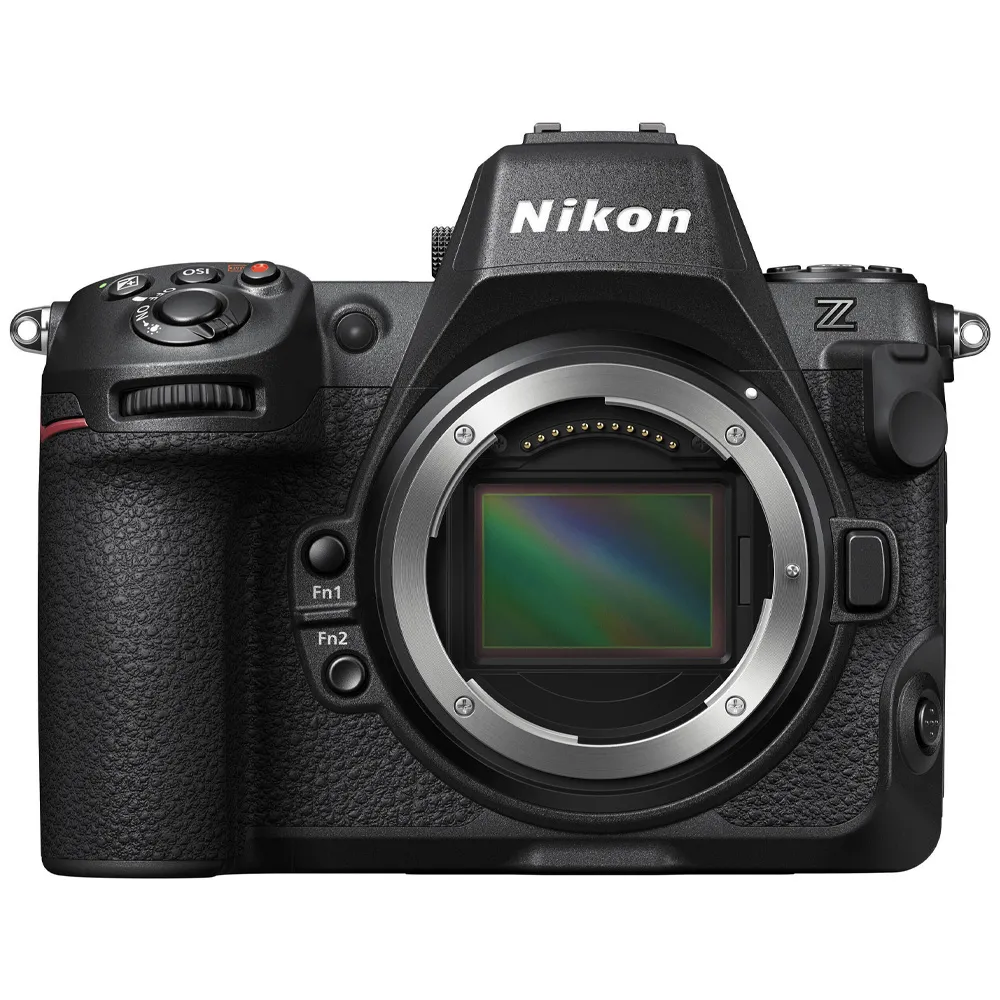
Best overall
The Nikon Z8 is an absolute powerhouse, with all the bells and whistles of a flagship camera — in a smaller body and with a smaller price tag.

Best resolution
This 61 MP camera is capable of capturing incredible detail, and it has outstanding autofocus and video capabilities, too.
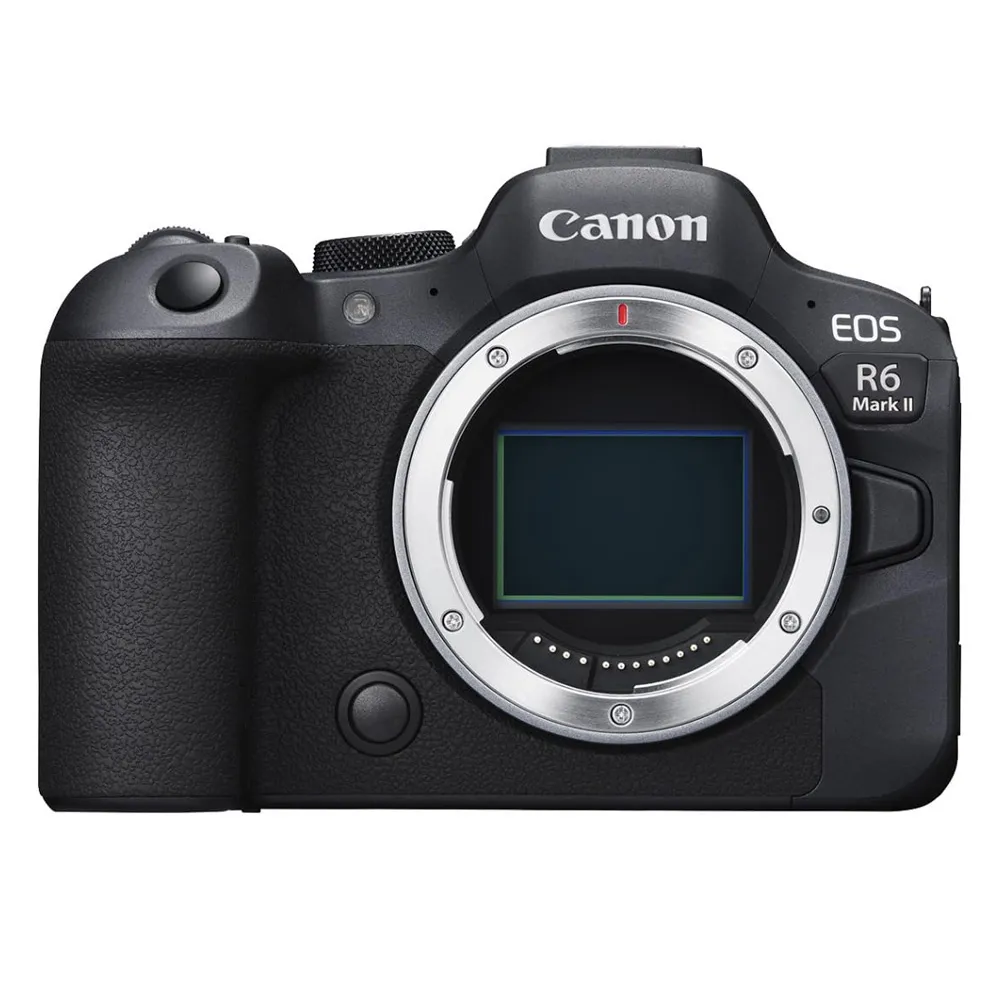
Best intermediate
A joy to shoot with and produces beautiful images, the R6 II is perfect for intermediate hobbyists who value speed and ergonomics over resolution.

Best for astrophotography
The Sony A7 IV is an outstanding camera in almost all fields, but it excels at astrophotography thanks to its excellent high ISO performance.
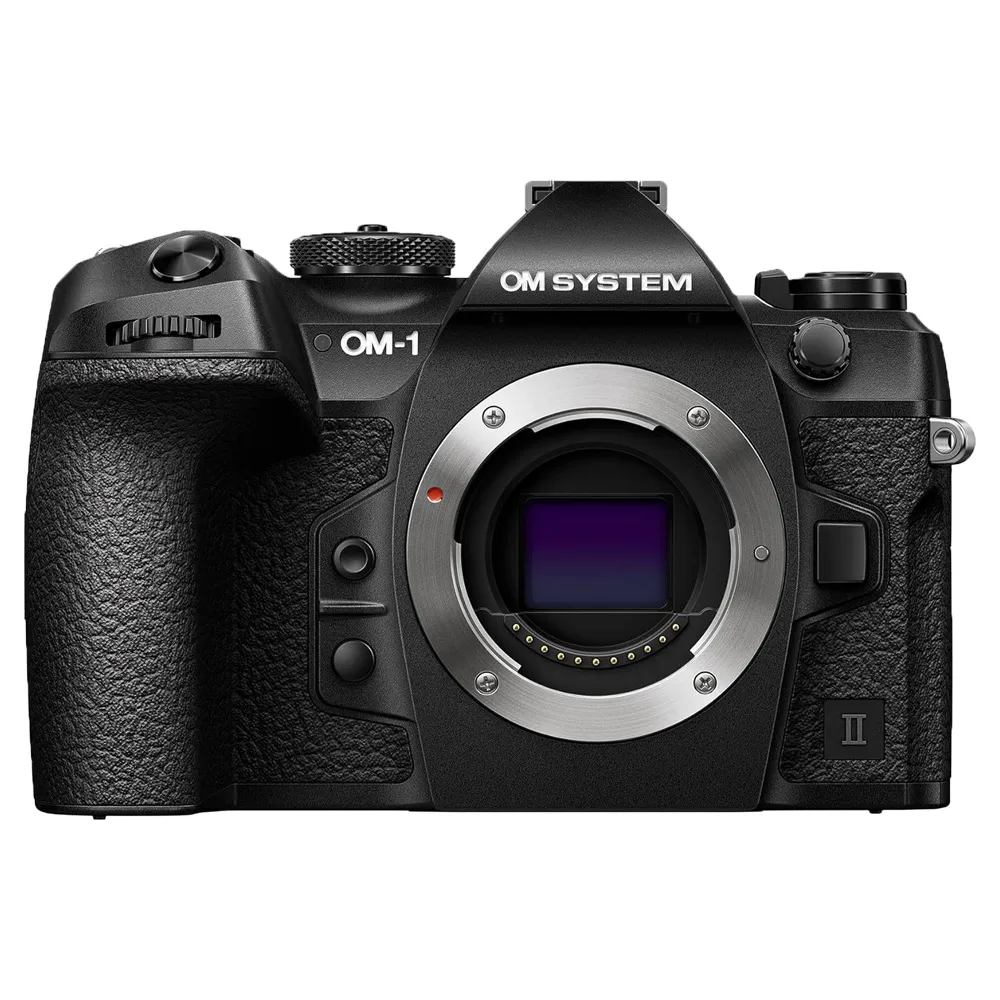
Best Micro Four Thirds
It may have a smaller sensor but this MFT camera has enough power to rival even the best full-frame cameras, thanks to a range of impressive features.

Best DSLR
It may be a few years old now but the Nikon D850 is still the best DSLR around, with capabilities rivaling the best mirrorless alternatives.
The best cameras you can buy in 2026
Best overall


Buy it if:
✅ You want high resolution: The 45 MP sensor here will capture stunning details with nothing spared.
✅ You shoot video as well as stills: The 8K video capabilities here are fantastic, and there are no recording limits either.
Don’t buy it if:
❌ You’re a beginner: While it’s easy to learn, the features of the Z8 are likely overkill for beginner or amateur photographers. The Canon EOS R8 is more suited to beginners.
❌ You want something lightweight: The Z8 might be smaller than its Z9 sibling, but it’s still a large, heavy camera.
The bottom line:
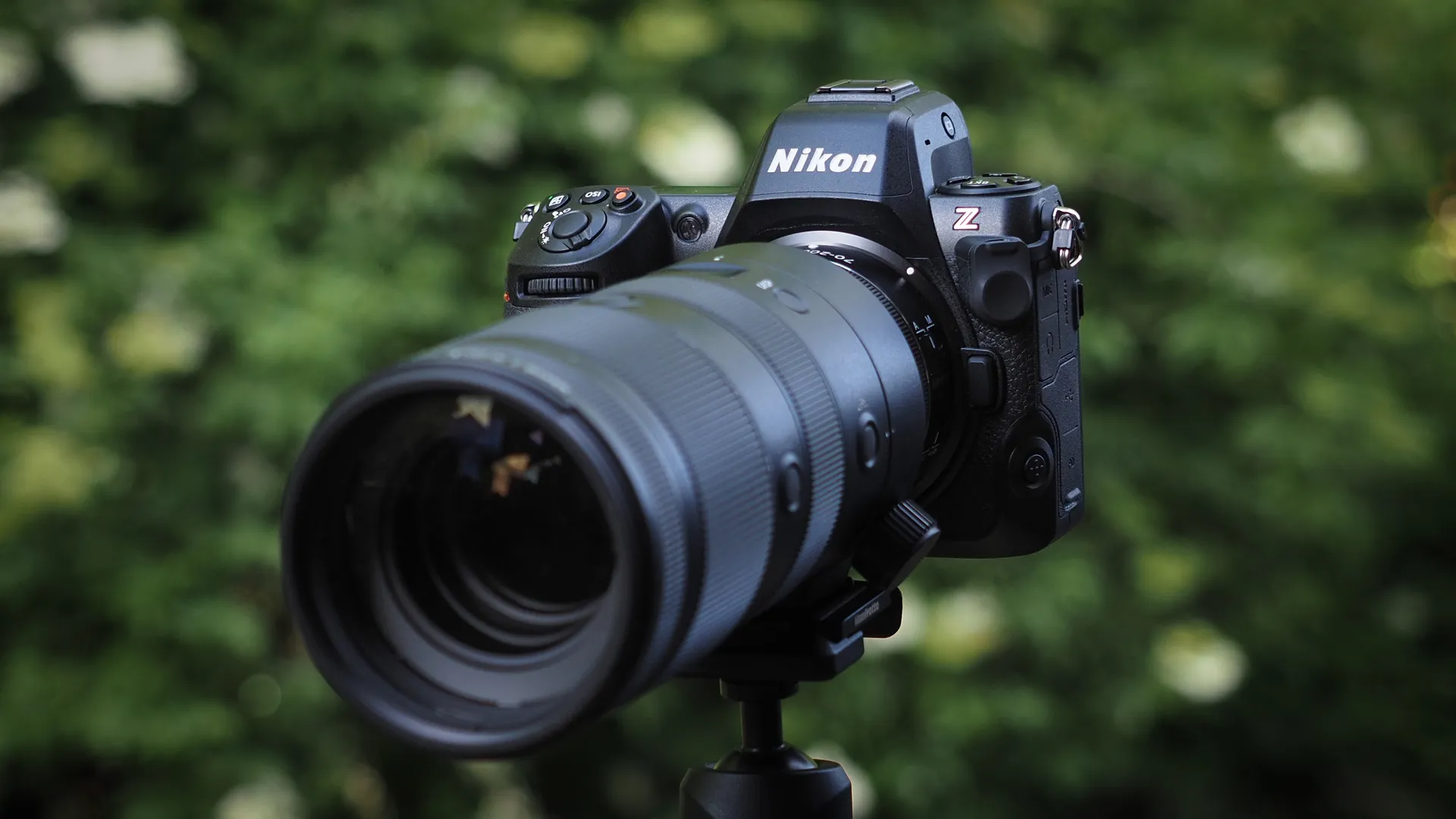
🔎 Nikon Z8: This absolute powerhouse of a camera rivals its big sibling, the Z9, in a smaller and less expensive body. It’s still both big and expensive, but for professionals, this is a groundbreaking camera that’s more than capable of practically all types of photography. ★★★★½
We absolutely love the Nikon Z8, and think it’s the best camera on the market. Sure, it might be overkill for beginners, but for experienced photographers, this camera can shoot just about anything with gusto. It’s hard to beat.
The Z8 is a beautifully designed camera that fits perfectly in the hand. In our Nikon Z8 review, we praised how comfortable it is to use. The buttons are perfectly placed and even if you’re brand new to Nikon, you’ll quickly learn your way around.
While the Z8 is more lightweight than some of Nikon’s other flagship cameras, it’s still not exactly compact. It’s a whole 15 oz (430 g) lighter than the Z9, and is roughly 30% smaller overall — but it’s 7.2 oz (205 g) heavier than the Z7 II. Not a drastic amount, but if you’re shooting for a long time, you’ll notice the extra weight. We do think that extra heft is worth it, though.
The Nikon Z8 has superb noise handling even at high ISO, which is one of the reasons we think this camera is a great choice for astrophotography. But that excellent low-light performance has many other uses too, and gives you much more versatility for shooting with natural light.
The ISO can be pushed all the way up to 102,400, in fact. Of course, right at the upper end you’re going to notice noise, but you’ll certainly get clean, detailed images right up into that higher bracket. Plus, the illuminated buttons and night vision mode make this camera one of the best astrophotography cameras you can buy.


We were also very impressed with the autofocus performance of the Z8. It reliably finds and follows the subjects you want to focus on, which is particularly useful when shooting moving targets like birds and other wildlife. In fact, a recent firmware update (2.0) has added a dedicated bird mode, making capturing birds in flight even easier than before — another reason why it’s one of the best cameras for wildlife photography.
There are some curious choices on the Z8, such as its four-way tilting screen — a fully-articulating screen would have been better. And as good as the autofocus can be, it’s not 100% failproof and we’ve noticed it can be a little jumpy in some situations.
But generally speaking, these are very small niggles, and everything else the Z8 is capable of far outweighs these issues. It’s fantastic at shooting both stills and video, with video capabilities going all the way up to 8K 30p (or 4K 60p), and if burst shooting is your thing, you can get up to 120fps here (albeit at a reduced resolution of 11 MP). For astrophotographers, you’ll find handy features like night vision mode, which dims the rear screen and displays red pixels, and buttons on the back of the camera that illuminate so you can see what you’re doing in the dark.
- Read our full Nikon Z8 review
| Attributes | Notes |
|---|---|
| Design | Well built camera that fits perfectly in the hands. |
| Performance | Fantastic high ISO performance, great autofocus. |
| Functionality | Excellent at both video and stills, useful astrophotography features. |
Best resolution


Buy it if:
✅ You want loads of megapixels: You won’t find many cameras beating out the A7R V’s whopping 61 MP.
✅ You rely on autofocus: The AI-powered autofocus here is second-to-none.
Don’t buy it if:
❌ You want a fast burst mode: Offering a maximum of 10fps, this is a little overwhelming. Consider the Nikon Z8 instead.
❌ You want to shoot in low light: This isn’t the best choice for astro, because of the amount of noise the 61 MP sensor will introduce. Look at the Sony A7 IV instead.
The bottom line:
🔎 Sony A7R V: As long as you don’t need super-fast burst shooting or impeccable ISO performance, this is a fantastic camera. That 61 MP sensor is capable of capturing stunning detail that’s hard to beat. ★★★★½
As we said in our Sony A7R V review, this camera isn’t perfect — but it isn’t far off. It introduces many worthwhile updates on the A7R IV, including a new processor, better image stabilization, new AI-powered autofocus (which is fantastic) and built-in focus bracketing, amongst other things. It’s capable of doing just about any type of photography, although there may be better options if you specialize in one particular area.
The fully-articulating screen here is a real boon: Most older Sony cameras have a tilt-only screen and this makes a real difference. It’s incredibly comfortable to hold in the hand thanks to an ergonomic shape, and even though it’s slightly heavy at 1.59 pounds (720 g) you’ll be able to hold it up to your face for extended periods of shooting.
We found the menu systems perfectly fine to get around, although if you’re new to Sony, it might take a little while to learn what everything does.
Obviously, the main selling point of the A7R V is its huge resolution. Its 61 MP sensor is capable of capturing incredibly detailed images: Colors pop, images are sharp and the photos we’ve captured with this camera are nothing short of beautiful. However, that huge sensor comes with a couple of caveats: Your files will be huge, and if you’re shooting in low-light situations, you’ll find more noise added at higher ISOs. That might put off some astrophotographers.


We think the autofocus of the A7R V is unbeatable. It employs Sony’s AI technology, which makes it capable of tracking a subject and even predicting its movements — it’s even capable of tracking eyes when your subject isn’t looking at the camera, and it works phenomenally. For wildlife photographers, this is something very special.
The burst rate of the Sony A7R V lets it down somewhat. Capped at 10fps (or 7fps if you shoot in RAW) it’s on the low side, so if you need to capture photographs in very quick succession, you might want to choose something else.
The battery life is pretty decent too, considering how many bells and whistles the camera has to contend with. Sony’s paperwork claims it can shoot 530 shots using the LCD screen or 440 shots with the EVF, but we managed to get more than 1,200 images over two days on a single charge.
- Read our full Sony A7R V review
| Attributes | Notes |
|---|---|
| Design | Fully-articulating screen, ergonomic design. |
| Performance | Incredible autofocus, 61 MP sensor capable of capturing incredible details. |
| Functionality | Burst speed is limited, good battery life. |
Best intermediate


Buy it if:
✅ You lean towards wildlife: With its fast burst rate, excellent autofocus and intuitive handling, the R6 II is a dream for wildlife photographers.
✅ You don’t want to go pro: It’s ideal for intermediate hobbyists who don’t necessarily want to take it up professionally.
Don’t buy it if:
❌ You want more resolution: 24.2MP is absolutely fine for most uses, but if you want more megapixels, you’ll need to pay extra — the Canon EOS R5 II has 45MP and is double the price.
❌ You want a compact point-and-shoot: It could be overkill if all you want is a super compact point-and-shoot. Try something from our best beginner cameras guide instead.
The bottom line:
🔎 Canon EOS R6 II: If you’re looking to take wildlife photography more seriously but don’t want to invest in a pro camera, this is an excellent choice. ★★★★★
The Canon EOS R6 II is one of those impressive middle-ground cameras. Now 3 years old (which is a lot in camera years), it sits nicely between entry-level models like the Canon EOS R8 and the likes of the Canon EOS R5 II or beastly R1 like the pros use. It’s fast, with accurate autofocus and produces beautiful images for a very reasonable price for what it is, and we gave it top marks in our full Canon EOS R6 II review. We specifically enjoyed using it for wildlife photography, although it would lend itself well to any genre of photography.
Its blisteringly fast burst rate of up to 40FPS is one of the fastest on the market, and we encountered no issues with buffer lag at all — it quite happily rattled off 24.2MP shot after shot after shot with no complaints. Pair it with one of the best macro lenses and you’ll get stunning images of insects and flowers. Not only is its speed beneficial for capturing wildlife images, but it would prove endlessly useful for sports photography, portrait work or even serve as a second camera for weddings.
Overall, we thought the autofocus performed very well. The only times we notice it struggle were when our subject — in this instance, a duck on a pond — swam behind some foliage and was partially obstructed from our view. Otherwise, it easily detected and tracked pretty much any animal we pointed it at, including a right-place-right-time heron coming in to land out of nowhere.


Pro Capture is another feature very well suited to wildlife and fast action. When the shutter is half-pressed, the camera starts recording data. Then, once the shutter has been fully pressed to take the shot, the data from the half-second before the shutter was pressed will be recorded to memory. This means that you may still have got ‘the shot’ even if you weren’t quick enough off the draw.
It handles noise very well, thanks to its relatively low resolution, making it also very adept as an astrophotography camera. We didn’t get to test it for astro due to the long 200-800mm lens we were using, but in our low-light wildlife shots, the noise only started to become too distracting when we reached ISO values of around 5,000. And even then, de-noise software has become so good now that even shots at ISO 25,600 were saveable.
- Read our full Canon EOS R6 II review
| Attributes | Notes |
|---|---|
| Design | Perfect size grip and has just the right amount of buttons. |
| Performance | Fast, accurate and intuitive. |
| Functionality | 24.2MP resolution could be higher, but images are still great. |
Best for astrophotography


Buy it if:
✅ You want flexibility: The A7 IV is capable of pretty much all kinds of photography, so if you’re a bit of a jack-of-all-trades, this is a great choice.
✅ You want fantastic low-light performance: The A7 IV can handle high ISO levels very well, making it ideal for astrophotography.
Don’t buy it if:
❌ You mainly shoot video: Only capable of shooting 40K 60fps when the image is cropped, this isn’t a great choice for videographers. Take a look at the Nikon Z8, which can shoot up to 8K, or 120fps at 4K.S
❌ You want the very latest kit: The A7 IV was released almost four years ago, so there are newer cameras available. An A7 V is anticipated, but we don’t know when.
The bottom line:
🔎 Sony A7 IV: One of Sony’s flagship cameras, this is a jack-of-all-trades, capable of shooting just about anything. Its fantastic ISO performance makes it an ideal candidate for astrophotography, although it’ll perform valiantly in practically any field. ★★★★½
It may be coming up to four years old, but the Sony A7 IV is still a powerhouse that is barely showing its age. It’s vastly improved from its predecessor, the A7 III, which was seen as the best in class before this new iteration came along. Now, it has to compete with the incredible Sony A1 and the A7R V, which you’ll find higher up this list, but it’s still a fantastic camera with unrivaled astrophotography capabilities.
Design: It took Sony a long time to catch up with the crowd but it finally sees fully-articulating touchscreens as a must-have on its cameras, and the A7 IV was one of the first models to get one. It makes a huge difference, particularly when shooting the night sky as it allows you to get creative angles while still being able to see your screen.
We love how customizable the buttons on the back of the camera are. You can program two buttons and four wheels, allowing you to have your most-used settings and options right at your fingertips. Generally, this is a wonderful camera to use: It’s a little on the heavy side, but it fits nicely in the hand and, as we said in our Sony A7 IV review, we never felt at risk of dropping it with our hands on the grip.
Performance: With ISO going all the way up to 204,800, you’ve got a huge amount of flexibility with the A7 IV. Realistically, you’re never going to need it that high, but we were able to shoot up to ISO 12,800 before noise became even slightly distracting. For astro, then, this is a great choice: the low light handling here is second to none, and we were able to capture some beautiful images in poor lighting conditions.
Also second to none is the camera’s dynamic range, and its autofocus. While it doesn’t boast the AI-powered autofocus of the A7R V, it’s still fast and reliable: It rarely let us down but sometimes faltered when it came to focusing on eyes during portrait shoots.


Functionality: While we think the Sony A7 IV is fantastic for shooting stills, it isn’t the best on the market for shooting video. If you only occasionally film a video, you’ll find it more than capable, but if videography is your main medium you might find the A7 IV to be a bit of a letdown. It can shoot up to 4K 60fps, but the image is cropped. For uncropped content, you’ll need to lower your frames per second to 30, which could be a dealbreaker for some.
In terms of astrophotography functionality, though, we love a special feature buried in the camera called Bright Monitoring. It means you can see your composed image on the screen/viewfinder even in dark locations. The image quality isn’t the best but being able to see your composition is seriously useful.
- Read our full Sony A7 IV review
| Attributes | Notes |
|---|---|
| Design | Customizable buttons and dials, ergonomic grip. |
| Performance | Unrivaled low-light performance, excellent autofocus. |
| Functionality | Video is decent but beaten by newer cameras. |
Best for wildlife
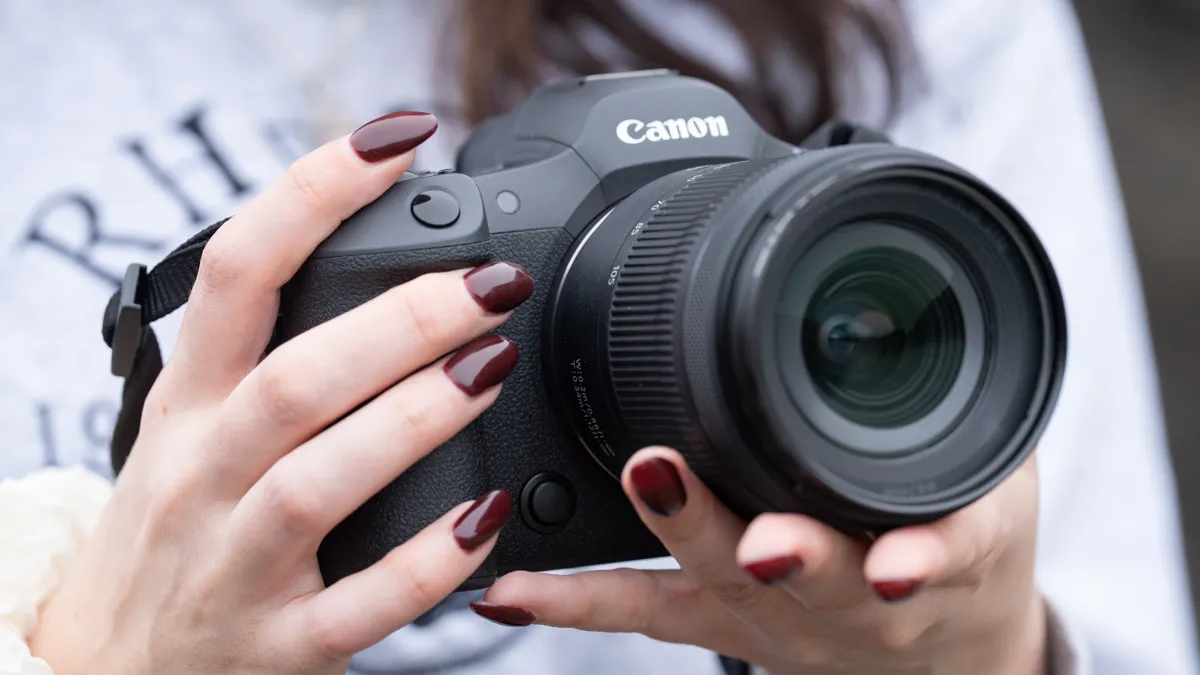

Buy it if:
✅ You prioritize wildlife: The 30FPS burst rate and exceptional autofocus are a cheat code for wildlife.
✅ You’re a professional: The R5 II will be overkill for hobbyists and beginners.
Don’t buy it if:
❌ You’re a beginner: It’s too expensive and will be overkill for beginners. The Canon EOS R6 II would be better suited.
❌ You want something travel-friendly: Travelers who want a point-and-shoot will want something smaller.
The bottom line:
🔎 Canon EOS R5 II: An absolute monster for wildlife photography. It’s fast, accurate and makes easy work of pretty much anything you point it at. ★★★★½
The Canon EOS R5 II elevates wildlife photography with blistering speed, glue-like autofocus and beautiful image quality. Building on the success of the original R5, it features a newly enhanced back-illuminated stacked sensor and faster burst shooting with speeds of up to 30FPS blackout-free RAW images, which is perfect for photographing wildlife. We took it to Skomer to photograph the puffins alongside the Sony A7R V, and we found the Canon much easier to work with for wildlife.
Not only that, but the R5 II is now equipped with Eye Control AF, which was previously only seen in the flagship Canon EOS R3 (it’s also now in the new R1). Essentially, this means that the camera can detect your eye movement through the viewfinder and focus on whatever part of the image you are looking at, which is pretty cool on paper, but we found it to be a bit underwhelming in practice during our full Canon EOS R5 II review. It wasn’t as accurate as the camera’s own autofocus, and it meant we had to focus on looking directly at the animal’s eye as opposed to scanning the scene and composition as a whole when we were shooting. We tried it out just to test it, but we turned it off for the rest of our shoot.
Even if Eye Control AF isn’t your thing and you’d rather let the camera take the wheel, it still has an incredibly impressive autofocus system. When we reviewed the original Canon EOS R5, there wasn’t a single animal we photographed that it struggled with. What’s more, Pre-Capture will start recording images half a second before the shutter is fully pressed, ensuring you never miss the shot.


It’s worth noting that we tested it with the RF 24-105mm F4-7.1 IS STM lens, which isn’t the most suitable for wildlife in both reach and aperture. Still, the shots we did get were sharp and detailed, and we can only imagine how much better they’d be with one of the best wildlife lenses. We noticed a distinct improvement when we paired it with the RF 100mm F2.8L Macro IS USM lens to shoot insects and smaller wildlife up close.
Wildlife photography aside, it’s an absolute weapon for pretty much any style of photography you could possibly want, so if you want to invest in a camera that’ll last you for years to come, the Canon EOS R5 II is the one. Plus, it seems they have also addressed the well-known video overheating issues of the original R5.
Our full review of the Canon EOS R5 II is coming very soon.
- Read our full Canon EOS R5 II review
| Attributes | Notes |
|---|---|
| Design | Power switch now in a much nicer location. |
| Performance | Superb performance for wildlife photography. |
| Functionality | 30fps RAW, 8K 60p video and 45 MP images. |
Best budget

Buy it if:
✅ You want full frame: This is Canon’s most affordable full-frame body.
✅ You want to use it for travel: It’s small and lightweight form make it ideal for keeping the weight down in your camera bag.
Don’t buy it if:
❌ You want image stabilization: The RP doesn’t have IBIS so you’d need to rely on stabilized lenses.
❌ You want to photograph wildlife: Its slow 5fps burst rate isn’t the best for wildlife photography. Try the Canon EOS R8 if you can spend more.
The bottom line:
🔎 Canon EOS RP: A compact, affordable full frame camera that’s ideal for anyone wanting to travel, grow their skills or just keep things cheap.★★★★
For those looking to step into the world of full frame photography without breaking the bank, the Canon EOS RP is a standout option. Although full frame is often associated with the pros, its price point and compact form make it ideal for hobbyists, content creators and travel photography where you need all the space you can get.
Despite its entry-level pricing, the 26.2 MP sensor produces beautiful image quality and provides good low light performance. It doesn’t offer a particularly high burst rate — max 5fps — which means that anyone seeking the best camera for wildlife photography should look elsewhere. Still, it can shoot 4K video (albeit with a crop) and has a fully articulating touchscreen.
While it lacks image stabilization and isn’t as fully weather-sealed as the more expensive models, its intuitive controls and user-friendly interface make it especially appealing to those transitioning from their smartphone or compact camera. Plus, omitting those particular features helps to keep things affordable.
| Attributes | Notes |
|---|---|
| Design | Canon’s second-lightest full-frame camera. |
| Performance | Fantastic as an entry-level full frame. |
| Functionality | Lacks IBIS, and the slow burst rate won’t suit wildlife photography. |
Best for beginners


Buy it if:
✅ You want a lightweight camera: It’s Canon’s lightest full frame camera.
✅ You’re a beginner: It’s easy to use and very beginner-friendly.
Don’t buy it if:
❌ You want image stabilization: The Canon EOS R8 doesn’t have IBIS. We’d recommend the Canon EOS R6 II.
❌ You’re a keen astrophotographer: While it produces nice astro shots, it’s not the most intuitive for dedicated astrophotography.
The bottom line:
🔎 Canon EOS R8: A lightweight camera ideal for travel and surprisingly capable. It has a fast burst rate for wildlife and fast moving action, and we got some great astro shots with it, too. A great pick for beginners. ★★★★½
The main USP of the Canon EOS R8 (aside from the fact that it’s a really great camera) is its small size and light weight. Weighing just 1.01 lbs (461 g), it’s Canon’s lightest full-frame camera to date, making it ideal for traveling where space is a premium. And during our full Canon EOS R8 review, we found it comfortable to wear around our neck all day long.
Not only does it tick all the boxes for travel photographers, but its user-friendly layout makes it one of the best beginner cameras, or for anyone wanting to make the jump into full frame from either their smartphone or a less powerful APS-C model. We’d have liked to have three dials on the body to adjust shutter speed, aperture and ISO independently, but it’s easy to dive into a quick menu using the set button on the back of the body when you want to see all the most used modes and settings at a glance.
It has an impressive burst speed, too. At a whopping 40fps for JPEG files and 30fps for RAW images, it outdoes a lot of the more expensive models in this regard, although it’s not surprising that 24.2 MP images will be faster to capture than 45 MP images, for example. Still, we think it’s one of the best cameras for wildlife photography for beginners.


Not only that, but it’s pretty good for beginner astrophotography, too! It’s not the most intuitive due to there only being two dials on the body, as we mentioned above, but we got some really decent astro images out of it during our review, so it’s certainly worth considering if you want to shoot astro alongside other genres.
- Read our full Canon EOS R8 review
| Attributes | Notes |
|---|---|
| Design | Small and lightweight. |
| Performance | A great all-rounder for multiple styles. |
| Functionality | Easy to use and beginner friendly. |
Best Micro Four Thirds


Buy it if:
✅ You’re not bothered about sensor size: If you don’t mind going smaller, you can save on size and money.
✅ You want a very capable and versatile camera: And who doesn’t want that?
Don’t buy it if:
❌ You do a lot of low-light shooting: If you shoot in low light while needing a fast shutter speed, you’ll get noisy images. Consider learning how to stack with calibration frames or upgrading to a full-frame.
❌ You already own the OM-1: There likely aren’t enough worthwhile upgrades to consider switching.
The bottom line:
🔎 OM System OM-1 Mark II: A small but powerful MFT camera that packs a punch despite its small sensor. We loved it for astrophotography and wildlife photography, and were impressed by its performance. ★★★★½
We were very pleasantly surprised by the small but mighty OM System OM-1 Mark II when we reviewed it. It may only be a 20.4 MP Micro Four Thirds sensor, but don’t let that put you off, as it can produce some fantastically sharp, clean and detailed images that rival the big hitters.
When it comes to astrophotography, specifically beginner astrophotography, it has a couple of very exciting features. One of the trickiest aspects of astrophotography to get to grips with is nailing the manual focus on the stars, but with Starry Sky AF, they (somehow) come out perfectly every time — even in urban areas. Secondly, Live Composite enables you to capture star trails in a single image while monitoring your progress in real-time on the LCD screen, eliminating the need to stack hundreds of frames together manually.
It let us down slightly, however, when we were shooting low-light scenes that didn’t allow for a slow shutter speed — for example, when photographing a pair of nonchalant indoor cats. The images were noticeably noisy from ISO 3,200 — although they’re easily fixable in Lightroom.


Subject detection and autofocus both work efficiently and effectively, and we even found that the camera handled multiple faces in the frame at once pretty well. We’d like there to be a dedicated Insect Mode for wildlife and macro photography, but we found that the Bird and Animal modes worked well when we were photographing dragonflies.
Speaking of wildlife photography, the OM-1 Mark II is capable of a startling 120fps burst rate. That’s impressive on paper, but we doubt anyone will actually make use of it, purely due to the amount of images you’d then have to sort through to find the one you actually wanted.
- Read our full OM System OM-1 Mark II review
| Attributes | Notes |
|---|---|
| Design | We found some buttons hard to use in the dark. |
| Performance | We were pleasantly surprised. |
| Functionality | Has loads of clever features. |